
Insights · 19 September 2025
5 Concepts Every Sound Worker Must Know
Sound healing is more than just playing instruments or creating soothing tones. It’s an art and science rooted in physics, biology, and consciousness. For sound workers, understanding the deeper principles behind sound can amplify the impact of their practice. Here are five core concepts every sound worker should know:
[embed]https://youtube.com/shorts/nHC9ghavr78?feature=share[/embed]
Resonance: The Secret Language of Vibration
Resonance is the phenomenon where one object vibrates at the same frequency as another. It’s why a tuning fork can cause another nearby fork of the same pitch to vibrate, or why a singer can shatter a glass. In everyday life, you feel resonance when a song “strikes a chord” within you or when a room echoes a particular sound more strongly. Inside the body, cellular resonance plays a profound role in healing. Every organ, tissue, and cell vibrates at its own natural frequency. When exposed to certain sound frequencies, these cells can “tune” themselves, potentially restoring balance and promoting self-healing. Instruments like singing bowls, gongs, or tuning forks are especially effective for encouraging cellular resonance.Brain Waves & Sound Entrainment
Our brains operate in different wave states, each associated with specific activities:- Beta (14–30 Hz): Alertness, focus, problem-solving
- Alpha (8–13 Hz): Relaxation, creativity, daydreaming
- Theta (4–7 Hz): Meditation, intuition, deep relaxation
- Delta (0.5–3 Hz): Deep sleep, subconscious processing
Vagus Nerve Stimulation: Activating the Parasympathetic State
The vagus nerve is a major communication highway between the brain and body. It controls functions such as heart rate, digestion, and the “rest-and-digest” parasympathetic response. When the vagus nerve is stimulated, it can calm the nervous system, lower blood pressure, and promote a sense of safety and relaxation. Sound—especially low, gentle, and rhythmic tones—can stimulate the vagus nerve. Humming, chanting, singing, and even listening to certain sound frequencies encourage vagal activation. This is why practices like mantra chanting, OM meditation, or deep humming feel so grounding and restorative—they are directly influencing one of the most powerful nerves in the body.Schumann Resonance: Earth’s Healing Frequency
The Schumann Resonance is often called the “heartbeat of the Earth.” It’s a naturally occurring electromagnetic frequency around 7.83 Hz generated between the Earth’s surface and the ionosphere. This frequency coincides with the alpha-theta brain wave boundary, which is linked to states of relaxation, creativity, and groundedness. Exposure to this frequency—through nature walks, grounding practices like walking barefoot, or sound instruments tuned to 7.83 Hz—can help regulate the nervous system, restore circadian rhythms, and reconnect us with the Earth’s energy field. For sound workers, weaving Schumann-resonance-inspired frequencies into sessions can deepen grounding and balance in clients.Binaural Beats & Healing
Binaural beats occur when two slightly different frequencies are played in each ear. The brain perceives the difference between the two frequencies as a third “phantom” beat. For example, if you play 200 Hz in one ear and 210 Hz in the other, the brain registers a 10 Hz beat—aligning with the alpha brain wave range. This phenomenon can guide listeners into desired mental states, from relaxation and sleep to focus and creativity. Studies suggest binaural beats can support anxiety reduction, pain management, improved concentration, and deeper meditation. As a sound worker, using binaural beats in sessions can be a powerful tool for fine-tuning brain wave states and promoting healing.Bringing It All Together
Sound healing is a beautiful blend of art, intention, and science. By understanding resonance, brain wave entrainment, vagus nerve stimulation, Schumann resonance, and binaural beats, sound workers can create sessions that are not only soothing but also deeply transformative on a cellular and energetic level. Whether you’re using singing bowls, tuning forks, gongs, or your own voice, these principles will help you approach sound healing with greater depth and purpose—turning vibrations into medicine.Tags:
- Five Core Concepts Every Sound Worker Should Know
Checking session…
…
Related Insights
View All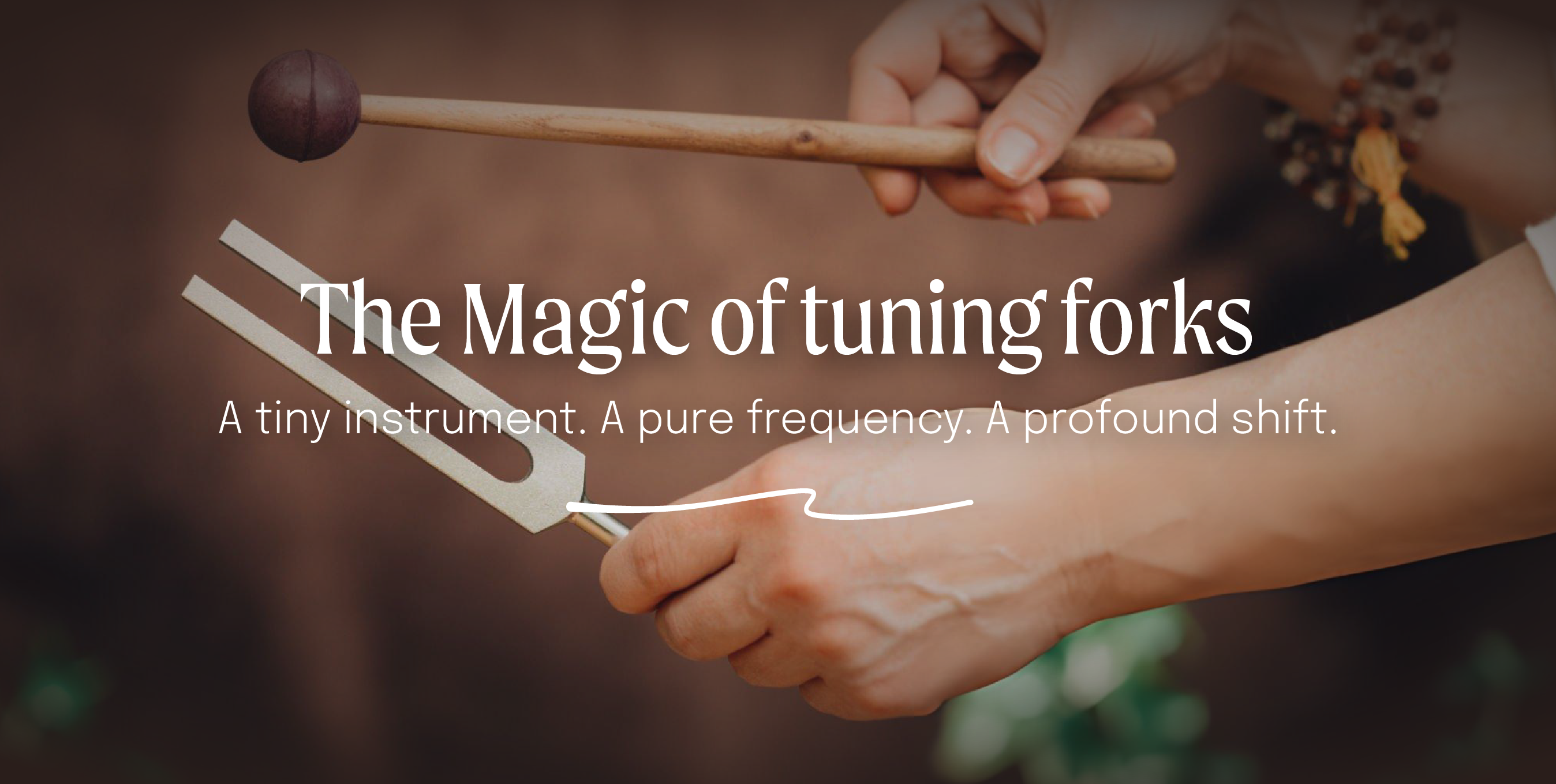
Everything You Need to Know About Tuning Forks
The Little Fork That Does Wonders There is something almost comedic about a tuning fork at first glance. It's a Y-shape — a thin metal stick that splits into two prongs. You tap it. It hums. That's it. And yet, this…
Consonance and Dissonance the two Pillars of Sound
Consonance, Dissonance and how it facilitates deep psychological shifts A “clash” in sound is not just something heard in the ears, it is processed in the mind and felt in the nervous system. Healing through sound rests…